
2019
Security
Design System
The MDM platform had grown through client-specific screens, one-off components, and inconsistent admin patterns. The result was slower feature work, harder training, and more room for mistakes.
I built a security design system with shared components, page templates, naming rules, and engineering guidelines. The goal was to make the platform faster to build, easier to learn, and safer to operate.
Industry
Enterprise Security
Role
Principal Designer
Focus
Design Systems, Admin UX, Enterprise Security
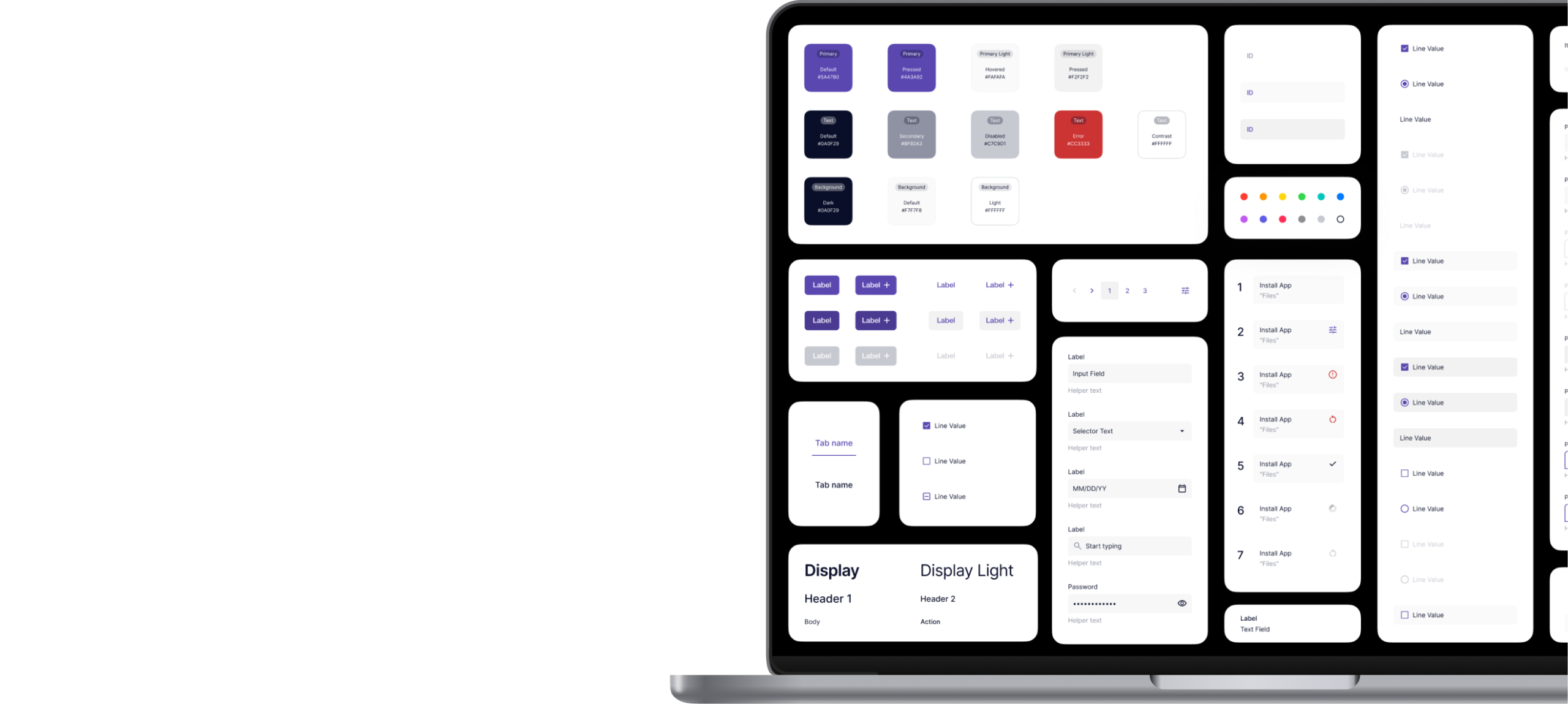
Business problem
Teams were building one-off UI patterns across the MDM platform, which slowed delivery, increased training time, and made admin workflows less predictable.
Design response
I created a security design system with reusable components, five page templates, naming rules, and engineering guidelines for consistent implementation.
Business result
The system reduced repeated UI work, improved product consistency, and helped teams ship security features faster.
50%
Faster Feature Rollout
4.5%
Customer Satisfaction
200hrs
Saved Monthly
The MDM platform had become harder to maintain with every client-specific addition. Administrators had to learn different interaction patterns across similar tasks. Engineers rebuilt UI elements that should have been reusable. Training took longer because screens did not behave consistently from module to module.
The product was spending time on repeated interface work instead of improving the security workflows themselves.
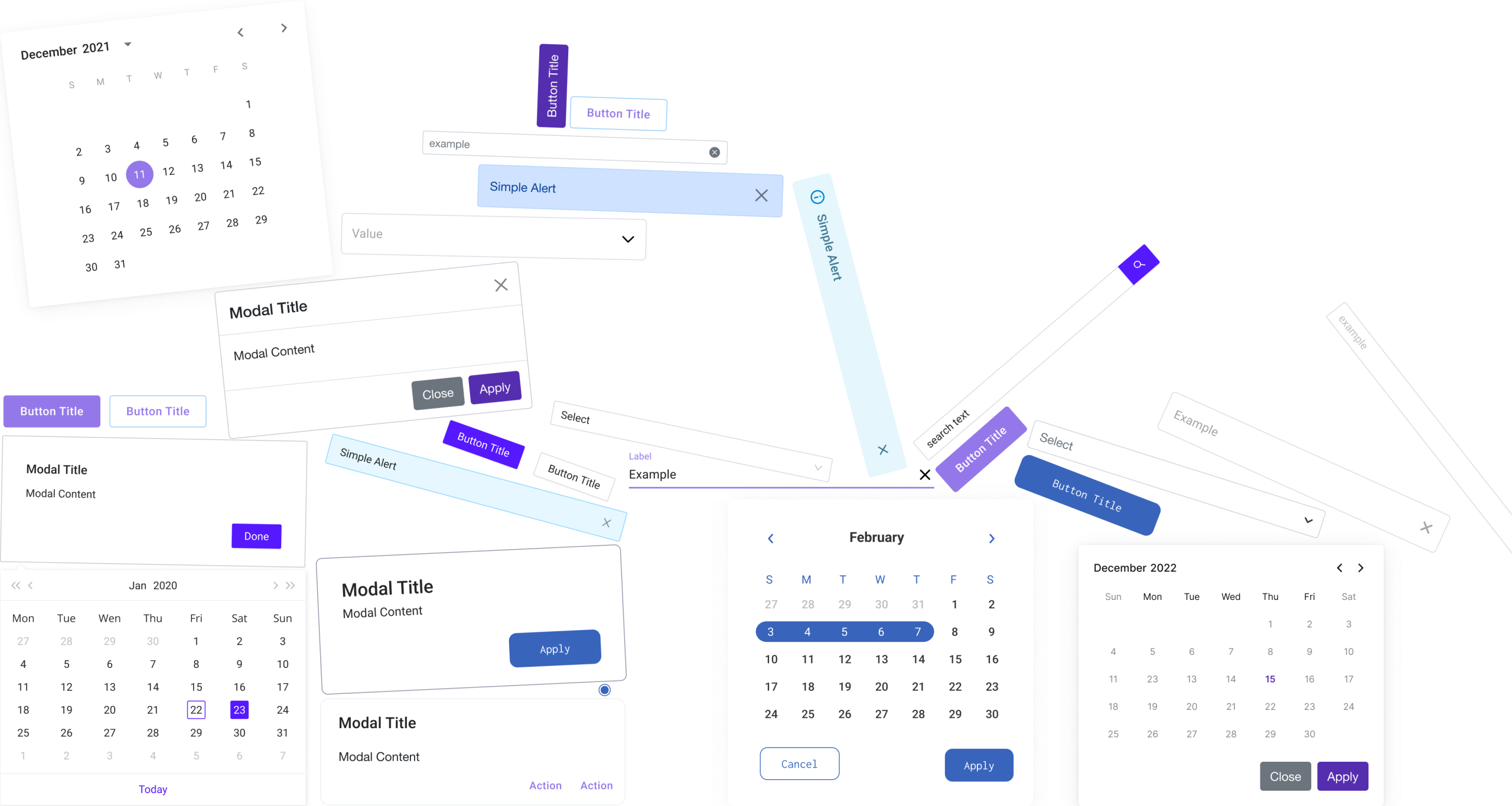
Each team solved similar UI problems locally, creating patterns that worked once but did not scale across the platform.

The Cost
of Inconsistent UI
The cost showed up in everyday work. Administrators lost time navigating unpredictable screens. Engineers rebuilt similar components across modules. Designers had to keep explaining patterns that should have already been shared.
Harder to Learn, Easier to Misuse
Critical settings were harder to find than they needed to be. Similar tasks looked and behaved differently, so administrators had to relearn the interface across modules. In a security console, that added friction where users needed confidence.
Repeated Work Across Teams
Engineers were spending roughly 200 hours each month rebuilding UI that should have been reusable. That repeated work slowed new features, increased QA effort, and made every product area harder to keep consistent.
Starting With What
Teams Actually Used
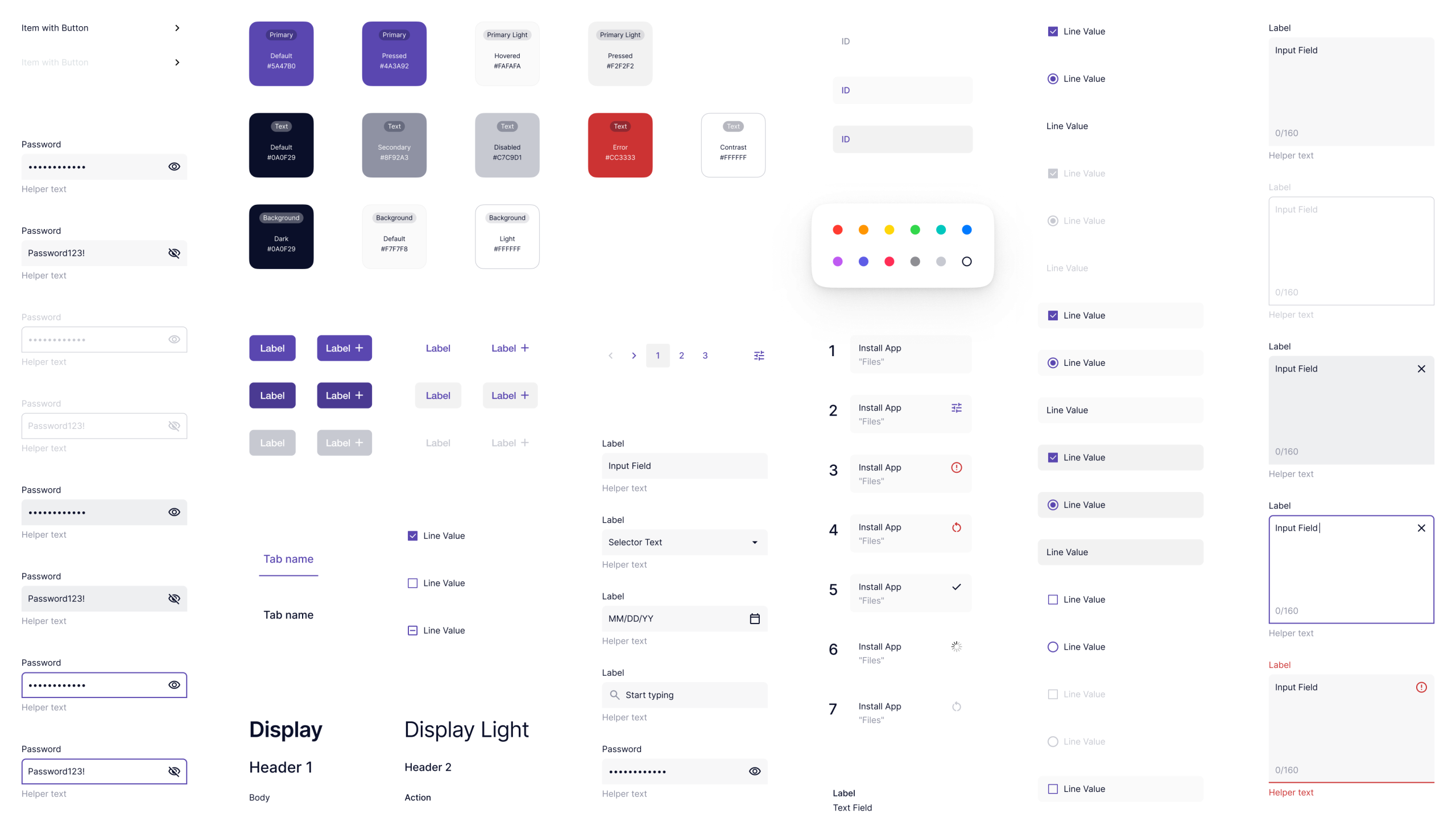
We avoided building a large theoretical library. The system started with the components and layouts teams used most often. If a component existed in the system, teams used it instead of building a custom version. That kept the library focused and reduced drift.
Structured Layout
Building Blocks
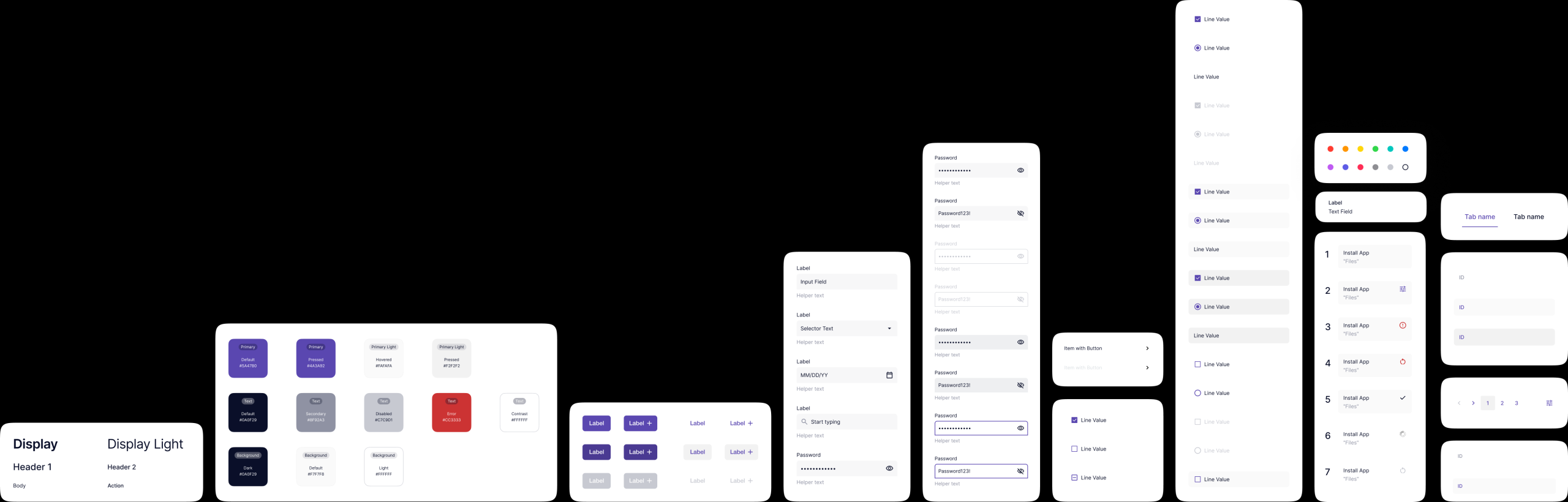
We defined five core page templates for common admin patterns: lists, detail views, forms, settings, and monitoring screens. This gave teams a shared starting point for new features. Engineers no longer had to rebuild layout logic for every module, and designers could work from the same page structure instead of creating one-off screens.
We also reserved part of development capacity for design system work, so components, APIs, breakpoints, and naming rules could be maintained alongside product delivery.
Outcome
Feature rollout became 50% faster, customer satisfaction improved from 3.2 to 4.5, and the system saved roughly 200 engineering hours each month. Training time also dropped by 25% because new administrators and product teams could rely on repeated patterns instead of memorizing exceptions.
Templates helped teams build faster while keeping admin workflows more predictable. Not everything worked immediately. Some legacy components were harder to replace than expected, and a few early patterns were overbuilt for edge cases that rarely appeared in real use.
What Came Next
The next step was dark mode, followed by component usage analytics and a documentation portal to support adoption across teams.
The important shift was practical: teams had a shared way to build admin screens, and administrators saw a product that behaved more consistently from module to module.
Tired of UI archaeology?
I help teams replace inconsistency with systems that accelerate work. Let's talk.